 01
01Fabric architecture
Leaf-Spine Networks
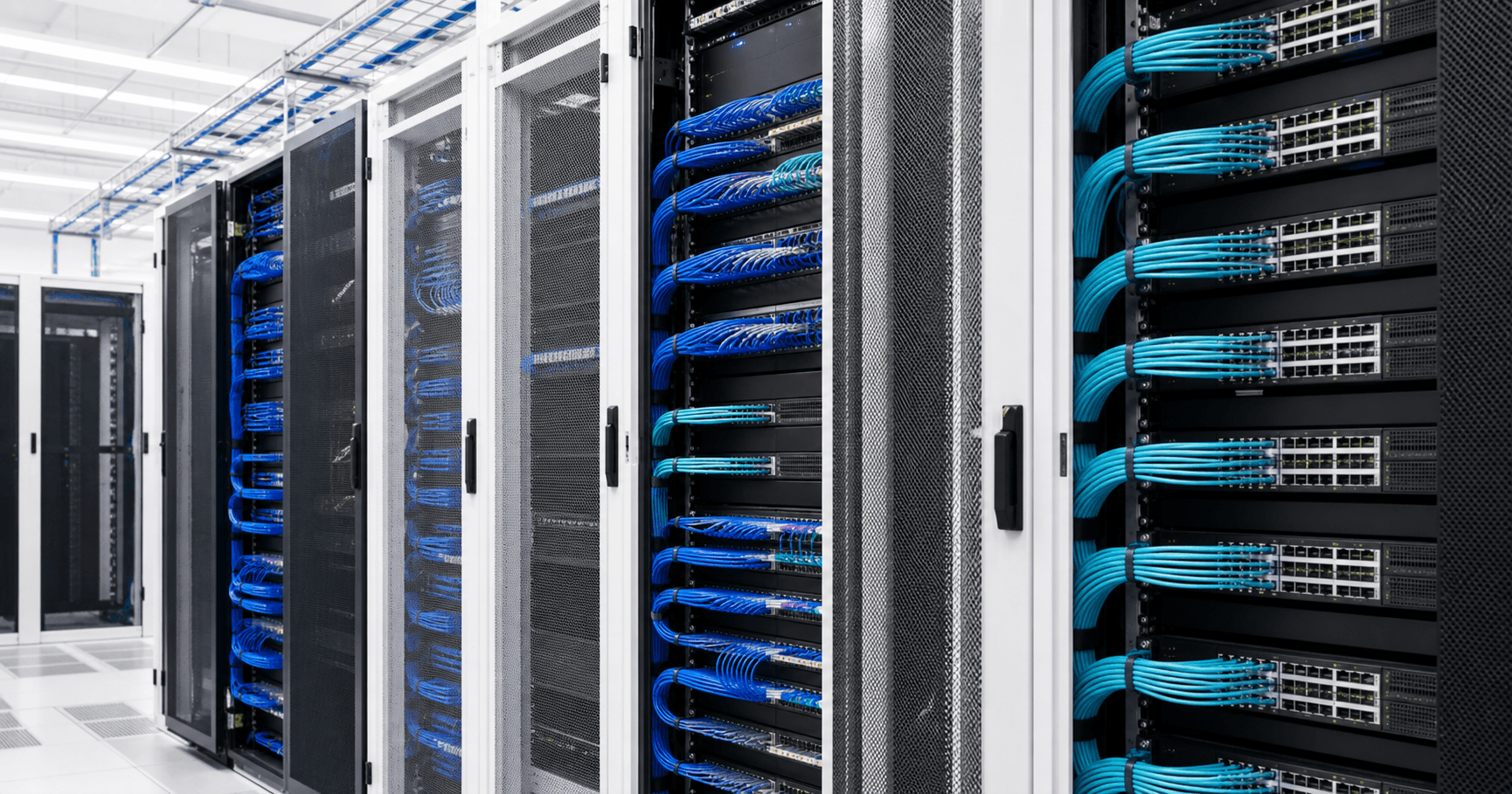
Plan east-west switch and server links around port speed, lane count, rack position, cable routing and the supported breakout design.
Browse high-speed optics
Compare DAC, AOC, pluggable transceivers and long-reach optical paths for leaf-spine fabrics, accelerated compute clusters and data center interconnects.

The same data rate can require a different product family when the equipment, cable route, density or maintenance model changes.
01Plan east-west switch and server links around port speed, lane count, rack position, cable routing and the supported breakout design.
Browse high-speed optics02Compare direct-attach and pluggable optical paths for dense compute clusters where cable volume, airflow and serviceability affect the design.
Compare DAC and AOC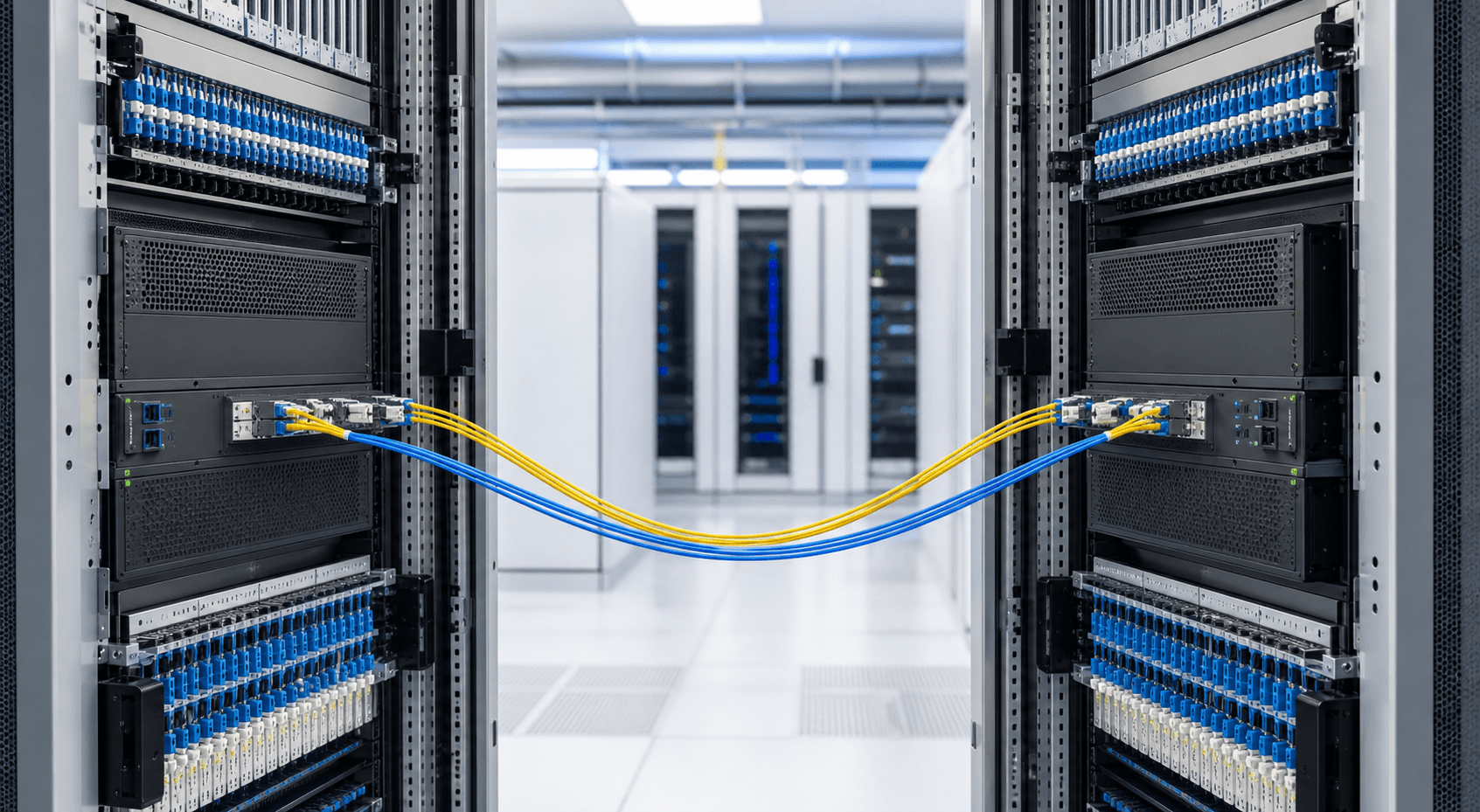 03
03Review distance, available fiber, connector path, optical budget and wavelength strategy before linking rooms, buildings or sites.
Review DCI opticsUse the route and operating priorities to narrow the product family. Exact reach, coding and interoperability still require model-level verification.
In-rack and other very short links supported by the target equipment.
Lower power draw and usually the lowest assembly cost for a supported short link.
Rack-to-rack and row-level direct connections that need lighter optical cabling.
Extends direct-attach reach beyond DAC while keeping a pre-terminated cable workflow.
Structured cabling, patch panels and links that benefit from replaceable modules.
Adds separate modules and patching, but supports reusable fiber and flexible reach choices.
Inter-building or inter-site routes and projects with limited fiber availability.
Supports longer routes or more capacity per fiber pair with additional planning and components.
Record each physical link separately. A port speed alone does not confirm the reach, media, breakout, coding or environmental requirements.
Check CompatibilitySwitch, server NIC or adapter model, software version and target port.
Required speed, lane count, breakout direction and FEC mode.
Rack, row, room or site distance, plus the intended cable route.
Single-mode or multimode fiber, connector, polarity and patch-panel path.
Airflow, bend radius, serviceability, monitoring and replacement preference.
Quantity, destination, delivery timing and required approval documents.
Move from model selection to internal approval with the documents, compatibility checks and verification paths buyers use most.
 01Technical files
Find model-level specifications, drawings and selection documents before internal review.
Find datasheets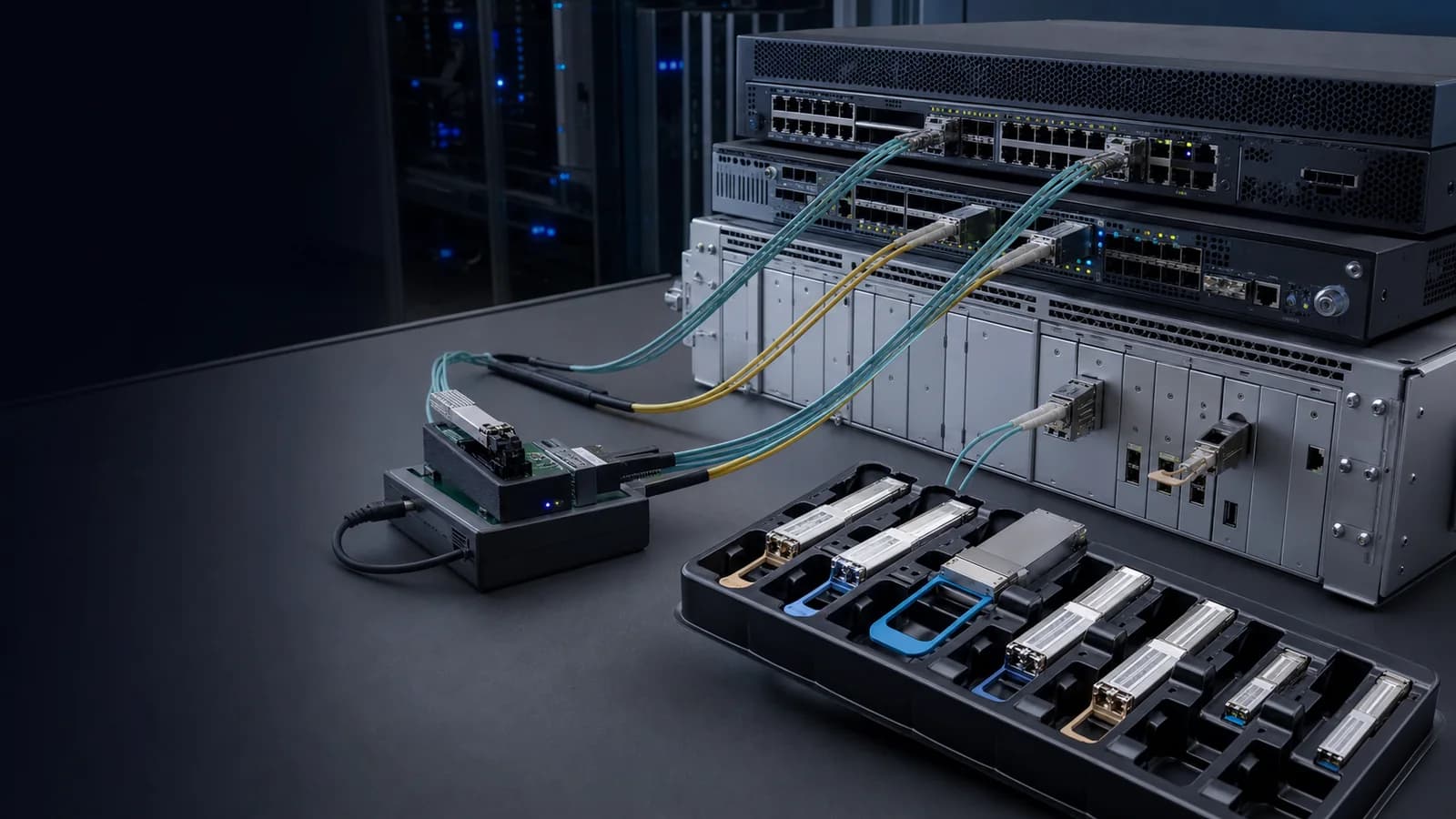 02Device fit
Review device, firmware and coding fit before specifying a module for your network.
Check compatibility 03Verification
See optical, functional and pre-shipment checks used to verify product performance.
Review testing 04Project approval
Review certification routes and request supporting documents for project approval.
View documentsSend the device models, port map, speed, distance, fiber or cable preference, quantity and destination. Fiberland can help narrow the product family and compatibility path.