Application
Where the link sits in the network and what it connects.

Start with the application, target equipment and installed fiber. Then compare the data rate, reach, connector, compatibility and document path needed for the project.
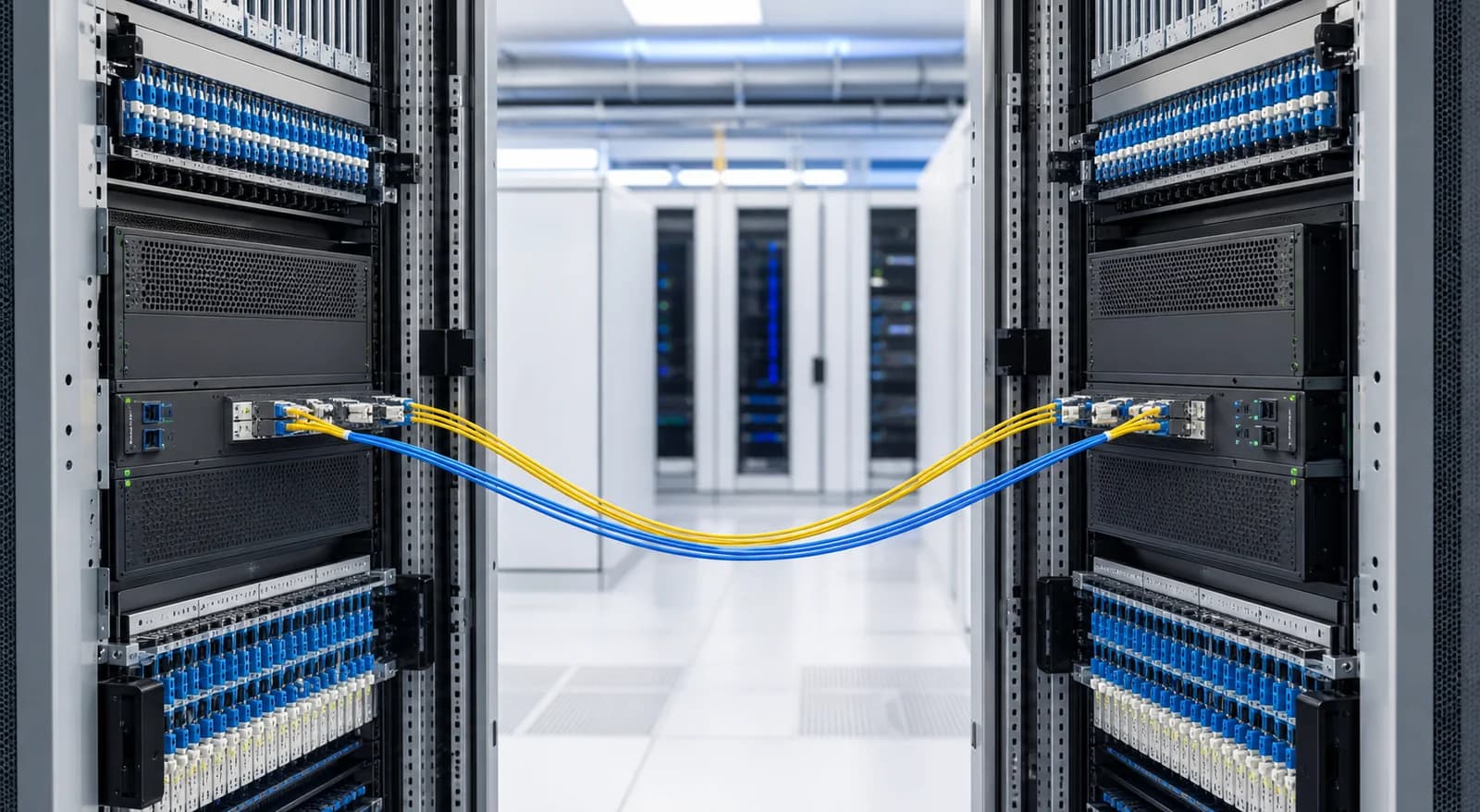
Where the link sits in the network and what it connects.
Target device, port type, firmware and required coding profile.
Data rate, distance, fiber, wavelength, connector and lane count.
Quantity, destination, approval documents and delivery timing.
Each route connects the network context to the product and verification pages needed for the next decision.
 Data center fabric
Compare port density, lane speed, rack distance and cable routing before choosing pluggable optics, DAC, AOC or structured fiber.
DCI and metroStart with installed fiber, link distance, wavelength plan and equipment at both ends before narrowing the transceiver family.
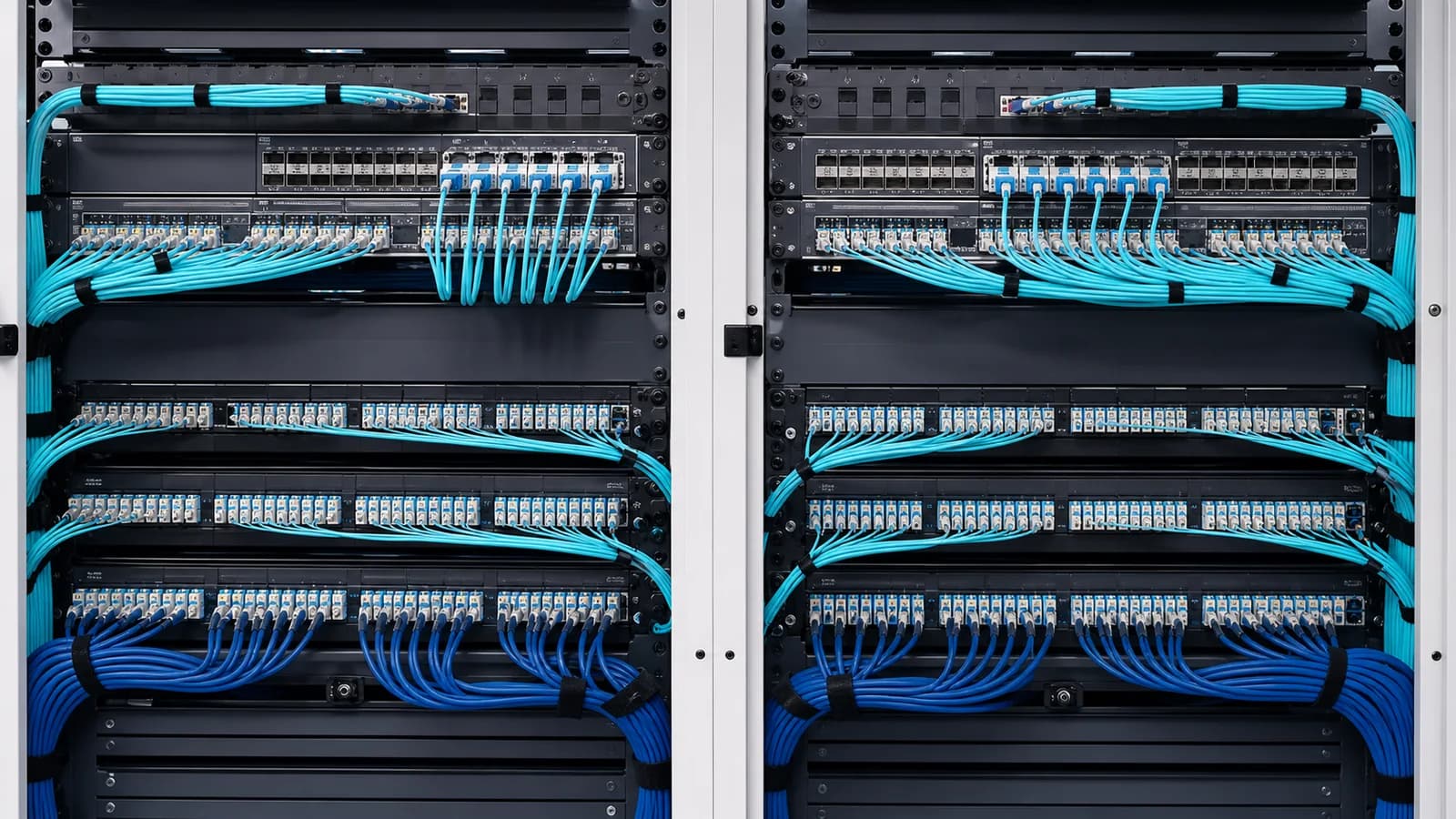 Enterprise and access
Match existing switches, fiber type, connector format and building distance to a practical migration path.
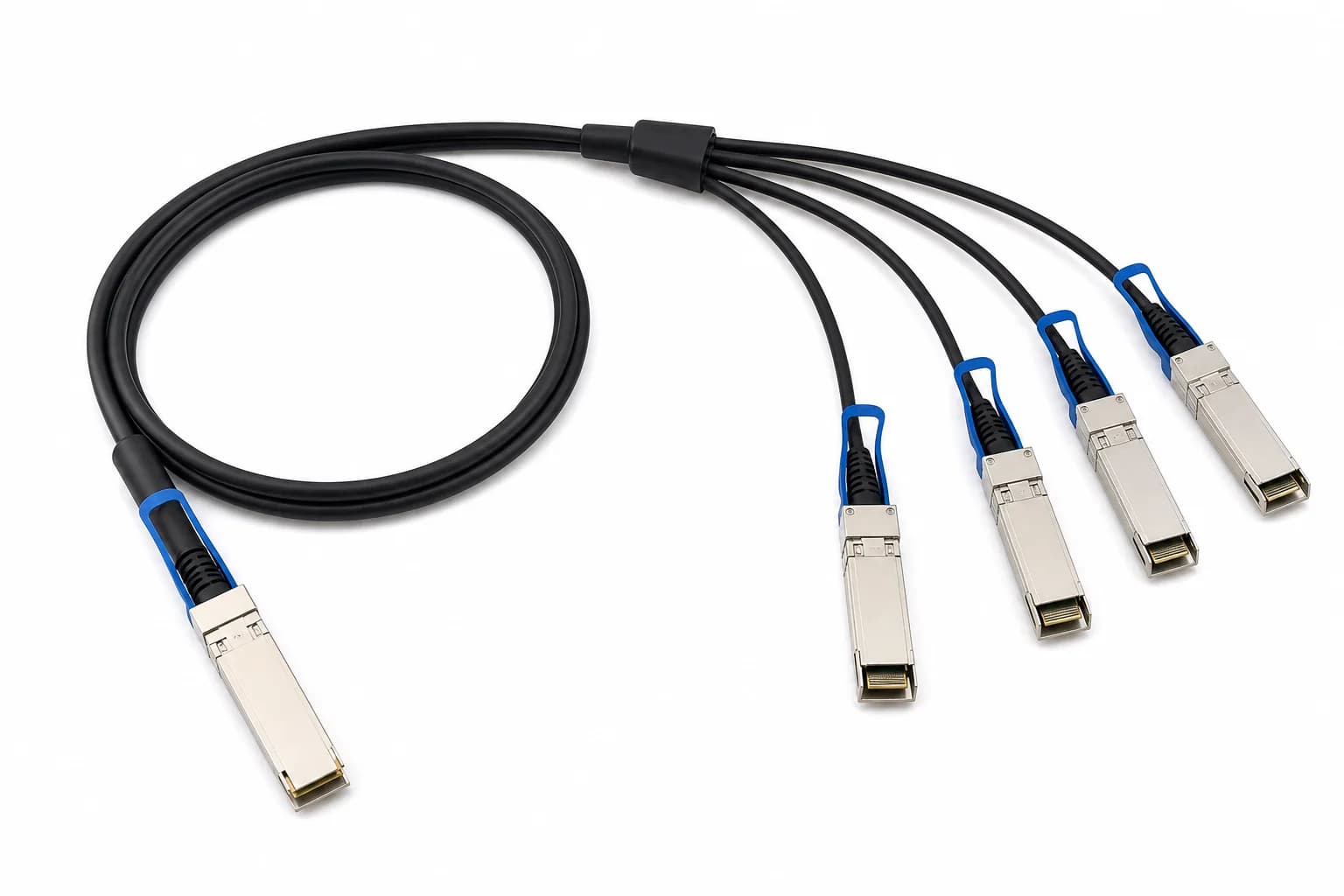 High-density cabling
Compare lane breakout, port mapping, cable length and serviceability for switch, server and storage connections.
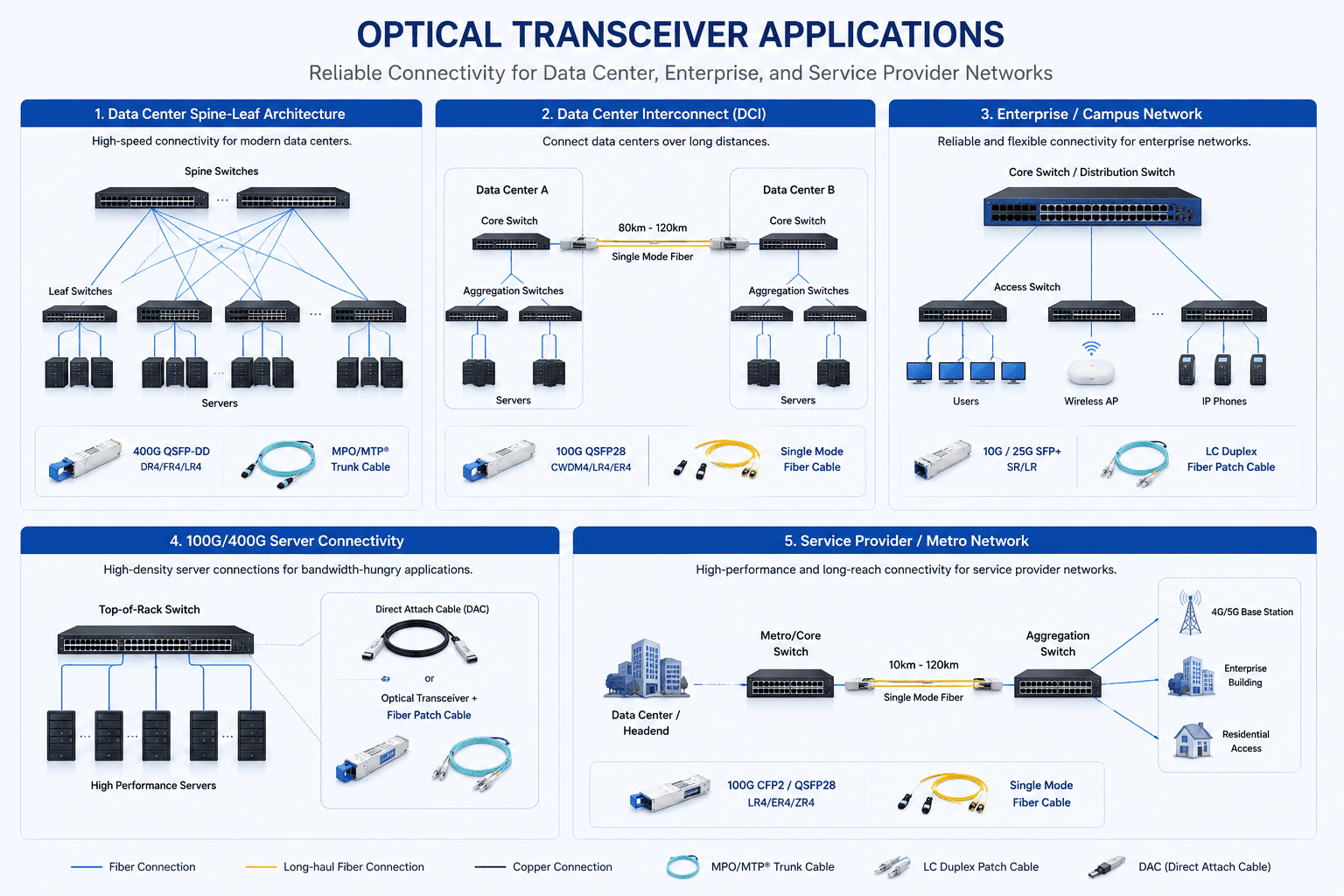
The application reference connects data center fabric, DCI, enterprise access, server connectivity and service-provider links to suitable transceiver and cabling families.
SFP through OSFP, plus CWDM and DWDM families.
Browse products DAC and AOCShort-reach copper and active optical cable assemblies.
Browse products Fiber connectivityPatch cords, MPO/MTP trunks and breakout assemblies.
Browse products Media conversionCopper-to-fiber and pluggable conversion paths.
Browse productsUse the exact model, target device and project document requirement so the review stays connected to the real order.
Compare verified manufacturer part numbers and share the exact target device for coding review.
Search compatibilitySee the optical, electrical, programming, temperature and final-inspection process used for product verification.
Review the test flowOpen datasheets and available compliance records, then request the exact file set needed for the project.
Find product documentsInclude the application, equipment, rate, reach, fiber, connector, quantity, destination and required documents.